183 6637 8588
undefined
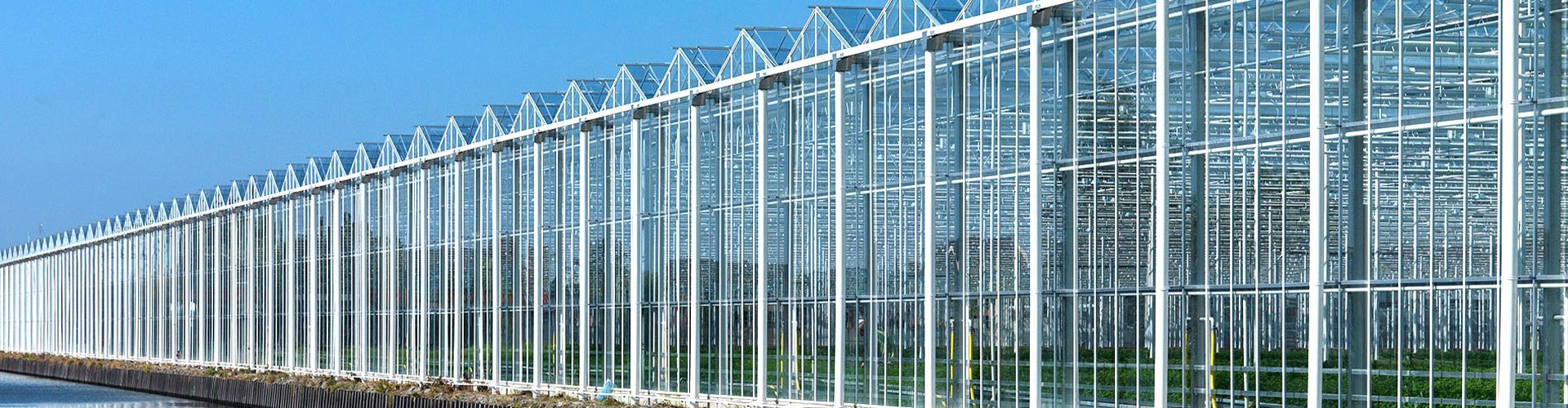
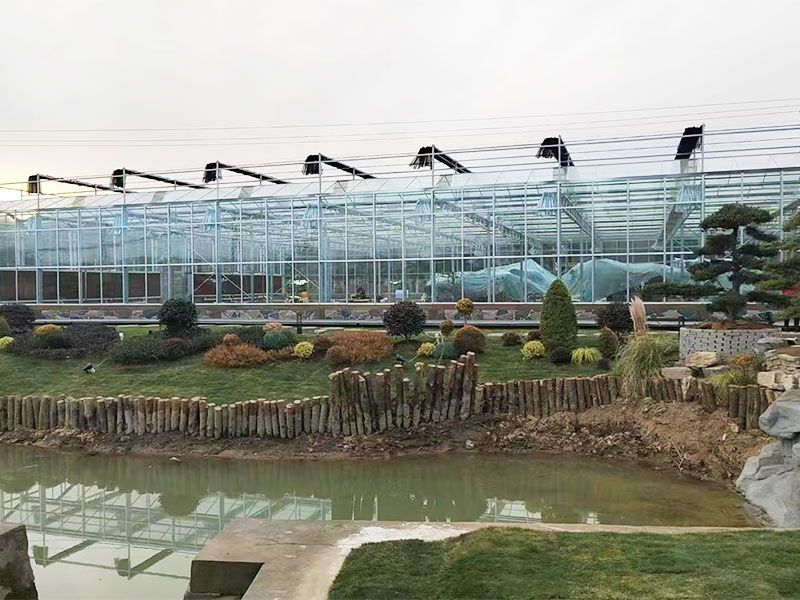
Connected greenhouses are an upgraded type of greenhouse. Essentially, they are large greenhouses that connect original independent single-room greenhouses using scientific methods and reasonable design materials. This can also be understood as a form of expansion.
Characteristics
1. Usage space: Compared with traditional greenhouses, connected greenhouses have a distinct advantage in terms of space usage, as their application area is much larger than that of traditional greenhouses.
2. Management: They are more unified, scientifically operated, time-saving, and efficiency-improving compared to traditional greenhouses.
Usage considerations for connected greenhouses:
1. Ventilation and dehumidification: Ventilation is a good method for reducing humidity. Ventilation should be stopped during high temperatures, otherwise it will cause the indoor temperature of the connected greenhouse to drop. If the temperature drops too quickly during ventilation, the vents should be closed in time to avoid sudden temperature drops that could harm the vegetables.
2. Ground film covering: Using ground film covering can reduce soil moisture evaporation and is an important measure to lower indoor air humidity.
3. Heating and dehumidification: This method can meet the temperature requirements of vegetables while also reducing relative air humidity. When the plants grow to a certain resistance level, water and close the greenhouse, raise the temperature to around 30°C for 1 hour, and then ventilate to discharge moisture. If the greenhouse temperature drops below 25°C after 3-4 hours, the process can be repeated once.
4. Use of moisture-absorbing insulation curtain materials: Insulation curtain materials with good permeability and moisture absorption, such as non-woven fabrics, can prevent condensation on the greenhouse surfaces and avoid dew falling on the plants, thereby reducing air humidity in the connected greenhouse.
5. Natural moisture absorption: Materials such as rice straw, wheat straw, or quicklime can be laid between rows to absorb water vapor or mist, achieving the purpose of dehumidification.