183 6637 8588
undefined
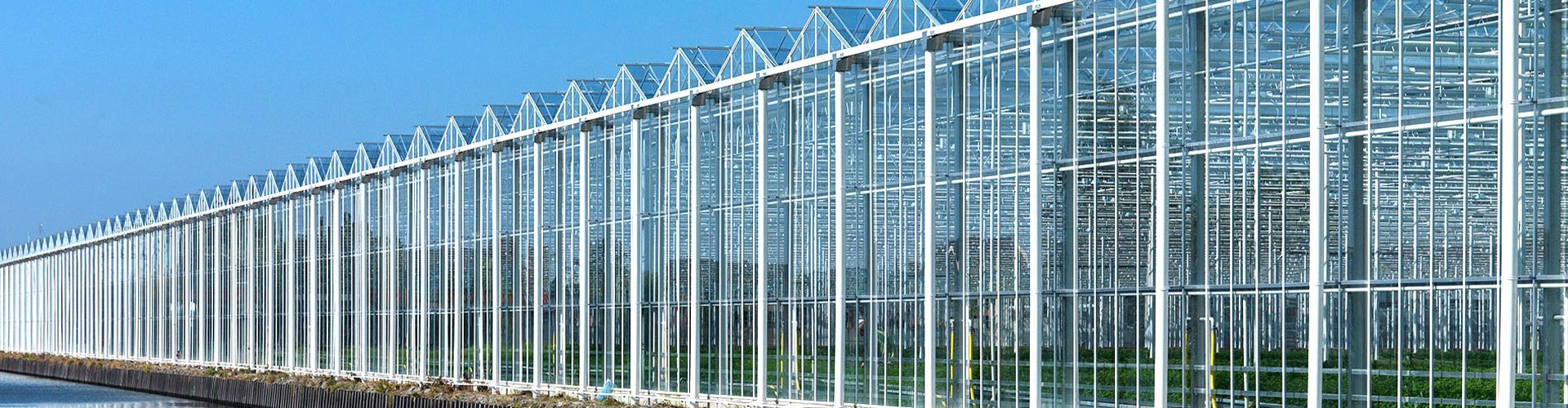
In recent years, vegetable cultivation across the country has achieved significant economic benefits; however, many farmers lack proper greenhouse construction techniques, resulting in a shorter lifespan of the greenhouse structures, and regulations and management for glass greenhouses are still inadequate. How vegetable farmers choose a construction team and avoid quality issues during greenhouse construction requires understanding some essential knowledge.
1. Walls not properly compacted or unevenly cut:
Practice has shown that the quality of greenhouse walls directly affects their service life. Moreover, in recent years, greenhouse construction has been moving toward taller, wider, and column-free structures, which further demands stronger wall stability and better firmness.
For glass greenhouses, the base of the walls should first be compacted using a bulldozer (if building a high-standard vegetable greenhouse today, the compaction width from north to south should be 6-8 meters) to prevent foundation sinking. Then, soil should be piled by an excavator, and for every 50 cm layer of loose soil, the bulldozer should be rolled back and forth at least three times. The recommended height for the rear wall is 4.5 meters, and the top of the wall should be compacted with a bulldozer. Additionally, when cutting the greenhouse wall with an excavator, a certain slope should be maintained, narrower at the top and wider at the bottom, with a slope of 6-10 degrees recommended, and the wall surface should be even.
2. Using inferior support columns:
Replacing with thinner steel rebar. The compressive strength of cement columns mainly depends on the quality of the rebar used. The thicker the rebar, the stronger the compressive strength. Nowadays, manufacturers producing greenhouse columns often reduce costs by using rebar with a diameter of 3-3.5 mm instead of the original 4 mm for cement columns, significantly reducing the compressive strength. If the greenhouse roof bears too much weight, the columns are prone to cracking.
Using rebar ends. Some columns appear to have properly sized rebar at both ends, but the rebar inside the columns consists entirely of broken rebar pieces. Such columns also have greatly reduced compressive strength and are prone to break under heavy pressure, reducing the service life of a glass greenhouse.