
+86 18366378588
1. Substrate-free cultivation:
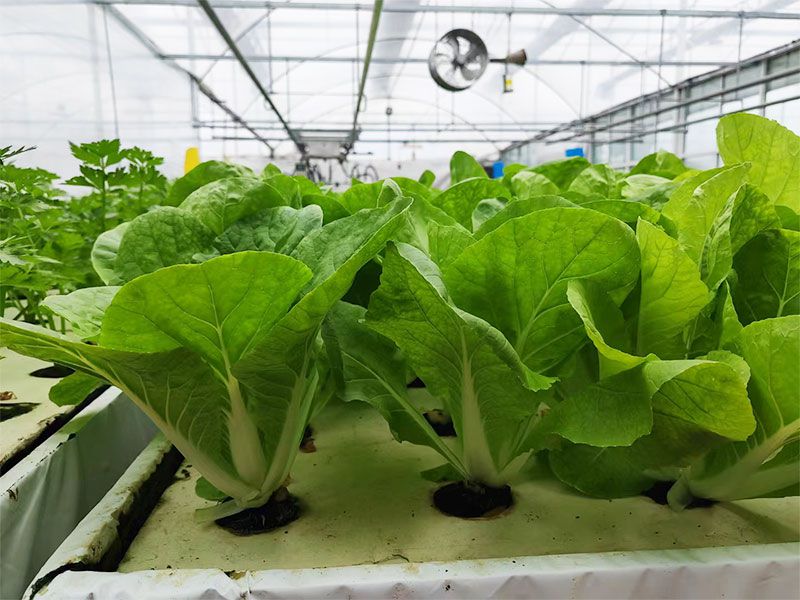
The characteristic of substrate-free cultivation produced by Qingzhou Changrong Greenhouse Engineering Co., Ltd. is that the crops lack a substrate with fixed root systems; the roots come into direct contact with the nutrient solution. Substrate-free cultivation is further divided into hydroponic and mist cultivation.
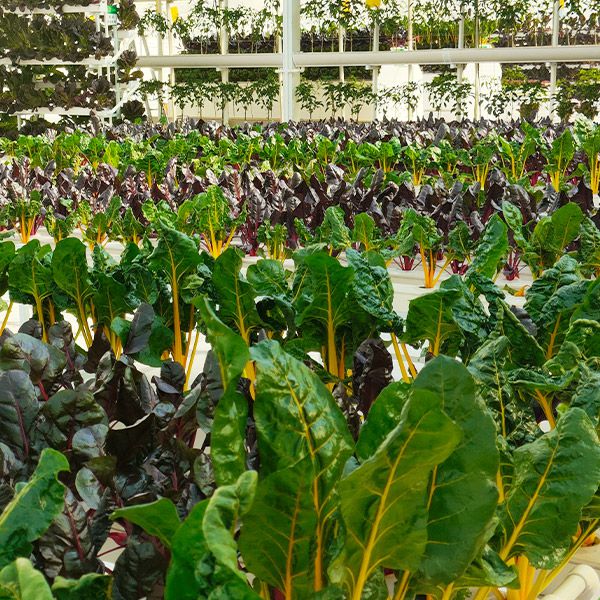
1. Hydroponics: Hydroponics refers to a cultivation method that does not rely on substrates to fix the root system, allowing the plant roots to come into direct contact with nutrient solutions. These mainly include deep flow hydroponics (DFT), nutrient film technique NFT, and floating capillary hydroponics (FCH). Roots of hydroponic vegetables soaked in nutrient solution.
1) Deep Liquid Flow Cultivation Technology: The nutrient solution layer is relatively deep, and the root system extends within the deeper layer, with each plant occupying a large amount of liquid. Therefore, nutrient solution concentration, dissolved oxygen, pH, temperature, and moisture content are less likely to change sharply, providing a relatively stable growth environment for the roots.
2) Nutrient Solution Film Technology: A hydroponic method that plants plants in shallow flowing nutrient solutions. Because the liquid layer is shallow, part of the roots are immersed in the shallow flowing nutrient solution, while the other part is exposed to moisture in the planting troughs. This technology effectively addresses root oxygen demand, but due to the limited liquid volume, it is easily affected by environmental temperatures, requiring meticulous management.
3) Floating board capillary cultivation technology: Using a root-division technique with floating wet felt inside the cultivation bed to create an oxygen-rich environment for cultivating moist aerial roots and solve the water-air conflict; Using longer horizontal cultivation beds to store large amounts of nutrient solution effectively overcomes the drawbacks of NFTs. The crop rhizosphere environment is stable, with minimal temperature fluctuations, and nutrient supply is not affected by temporary power outages.
2. Aeroponics: Aeroponics is a soilless cultivation technique that uses filtered nutrient solution under pressure to atomize it into fine droplets and directly spray them onto the plant roots to provide the water and nutrients needed for growth. Aeroponics is the best form of soilless cultivation for resolving root moisture-air conflicts, multiplying crop yields, and facilitating automated control and vertical cultivation, thereby improving greenhouse space utilization. However, it has extremely high requirements for the device, which greatly limits its promotion and utilization.
2. Substrate Cultivation:
The characteristic of substrate cultivation is that the roots of cultivated crops are fixed by substrate. It fixes the roots of crops in the substrate of Huoshan Dendrobium cultivated on organic or inorganic substrates. Organic substrates include peat, rice husks, bark, etc., while inorganic materials like vermiculite, perlite, rock wool, ceramsite, gravel, and sponge soil can all serve as support media. Through drip or trickle irrigation, crop nutrient solutions are supplied. In most cases, substrate cultivation coordinates water, fertilizer, and gas, ensures sufficient supply, low equipment investment, facilitates local sourcing, and delivers excellent and stable production performance; The disadvantage is that the substrate is relatively large, and handling residual roots during filling, disinfection, and reuse is time-consuming and labor-intensive, making it quite difficult.